Chokolish comprises of chocolates is all about the sensitivity and the involvement of people with emotions to express their feelings as to how they feel about the events that take place in their lives and about the person they care for.
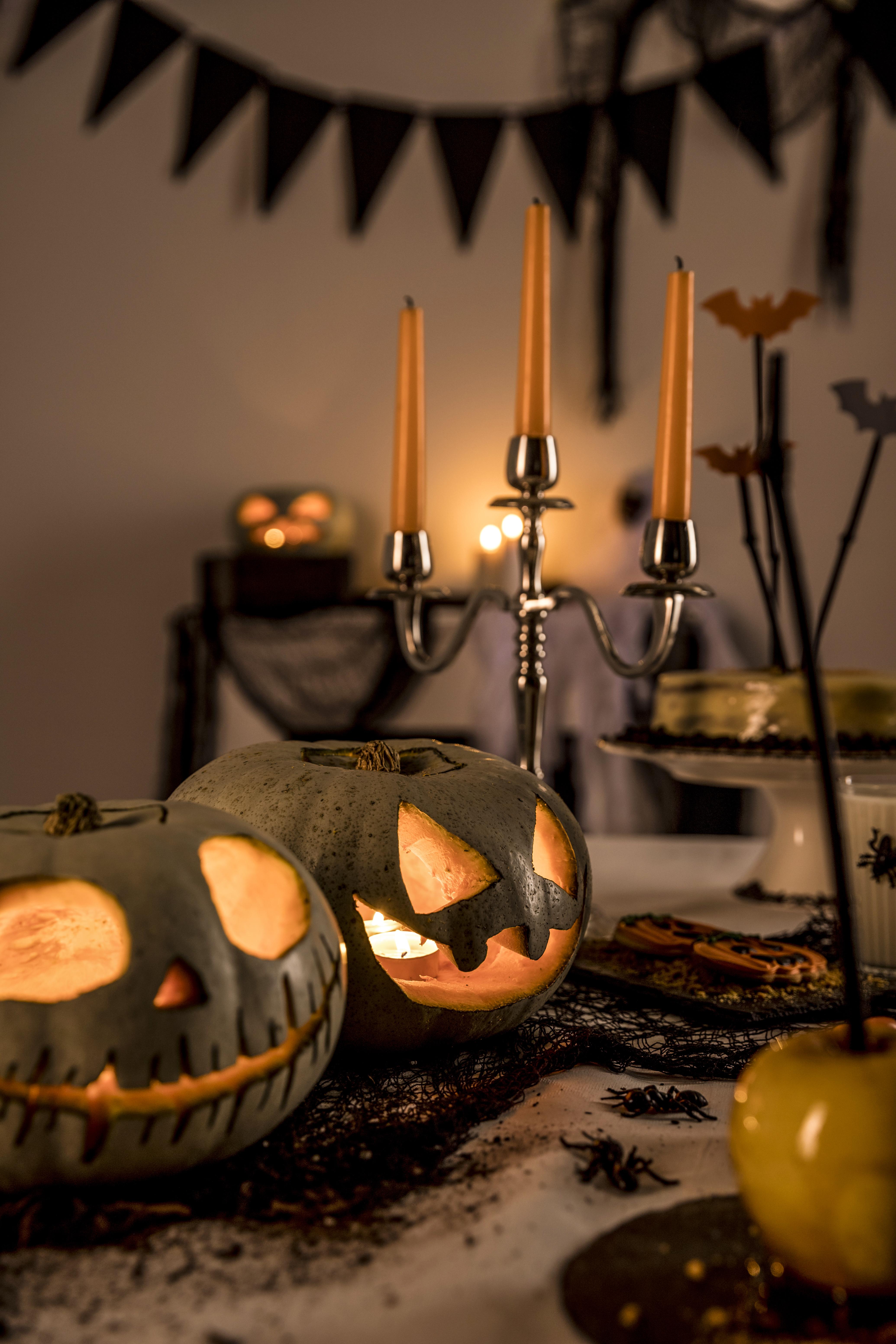
Charm is correlated to the theme of Halloween.
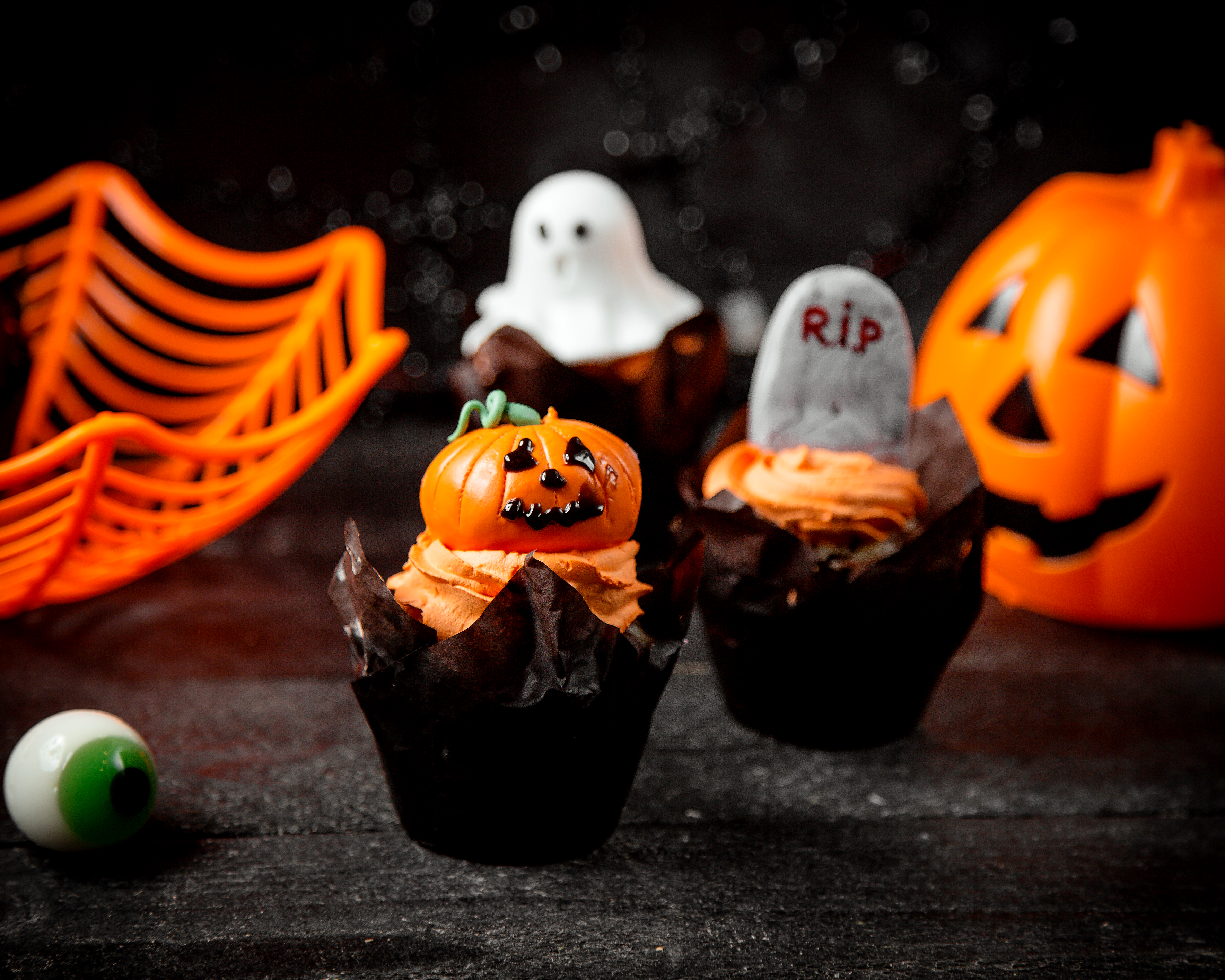
Chocolate is strongly associated with both charm and Halloween, primarily due to its popularity as a sweet treat and its prevalence in Halloween festivities. The association with charm comes from chocolate’s perceived ability to evoke positive emotions and affection, often given as gifts or enjoyed during romantic occasions. Halloween’s association with chocolate stems from the tradition of trick-or-treating, where chocolate is a readily available and popular type of candy to give to children.
Chocolate and Halloween
Trick-or-treating staple
Chocolate, in various forms like miniature bars, candies, and wrapped treats, is a mainstay of Halloween trick-or-treating.
Festive treats
Chocolate is incorporated into Halloween-themed candies, such as Reese’s Peanut Butter Cups shaped like pumpkins, and other festive chocolate treats.
Accessibility and affordability
Chocolate’s affordability and wide availability make it an ideal choice for mass distribution during Halloween.
Trick-or-treating staple
Chocolate, in various forms like miniature bars, candies, and wrapped treats, is a mainstay of Halloween trick-or-treating.
Festive treats
Chocolate is incorporated into Halloween-themed candies, such as Reese’s Peanut Butter Cups shaped like pumpkins, and other festive chocolate treats.
Accessibility and affordability
Chocolate’s affordability and wide availability make it an ideal choice for mass distribution during Halloween.
Divine represent chocolates related to theme of Christmas
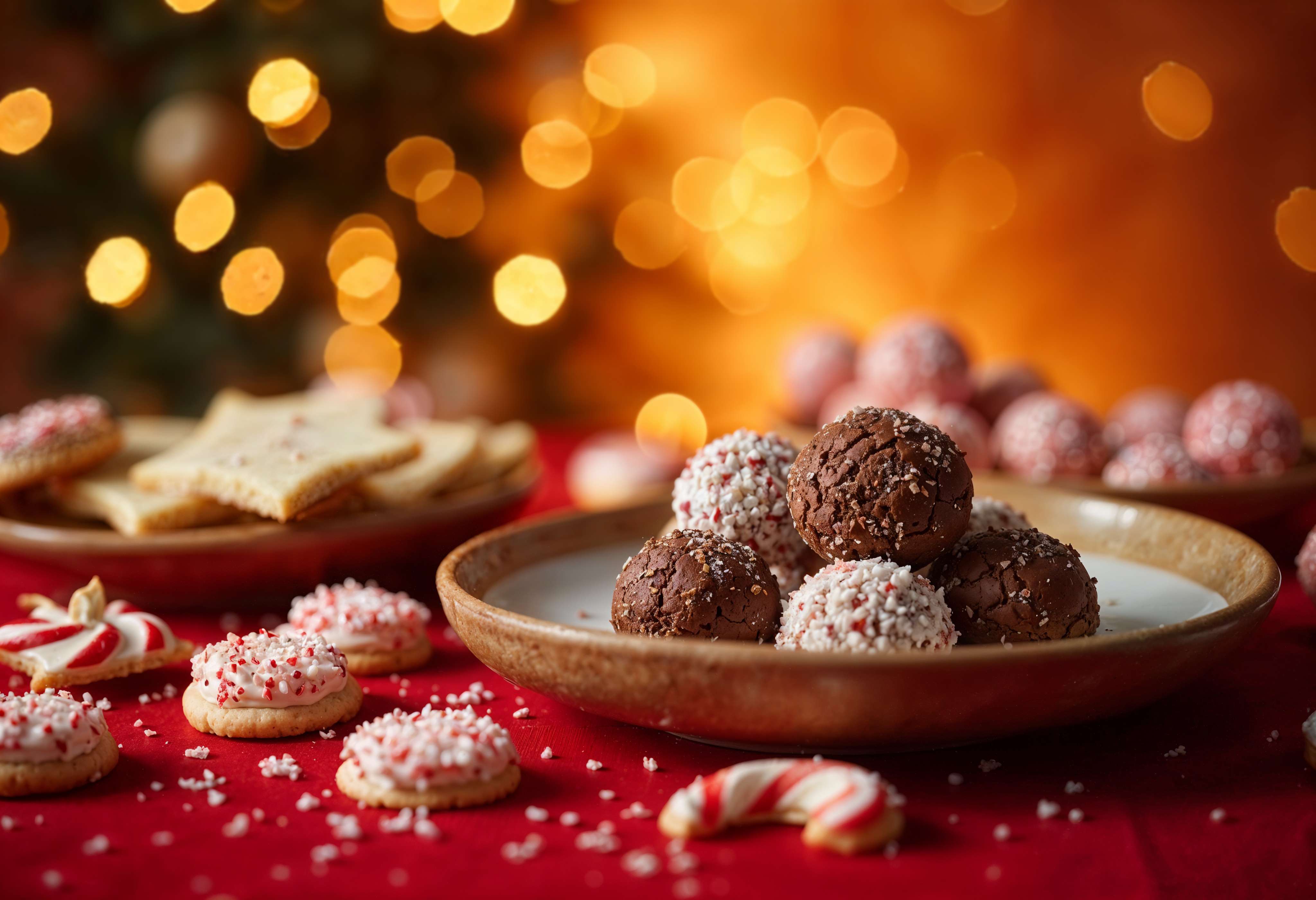
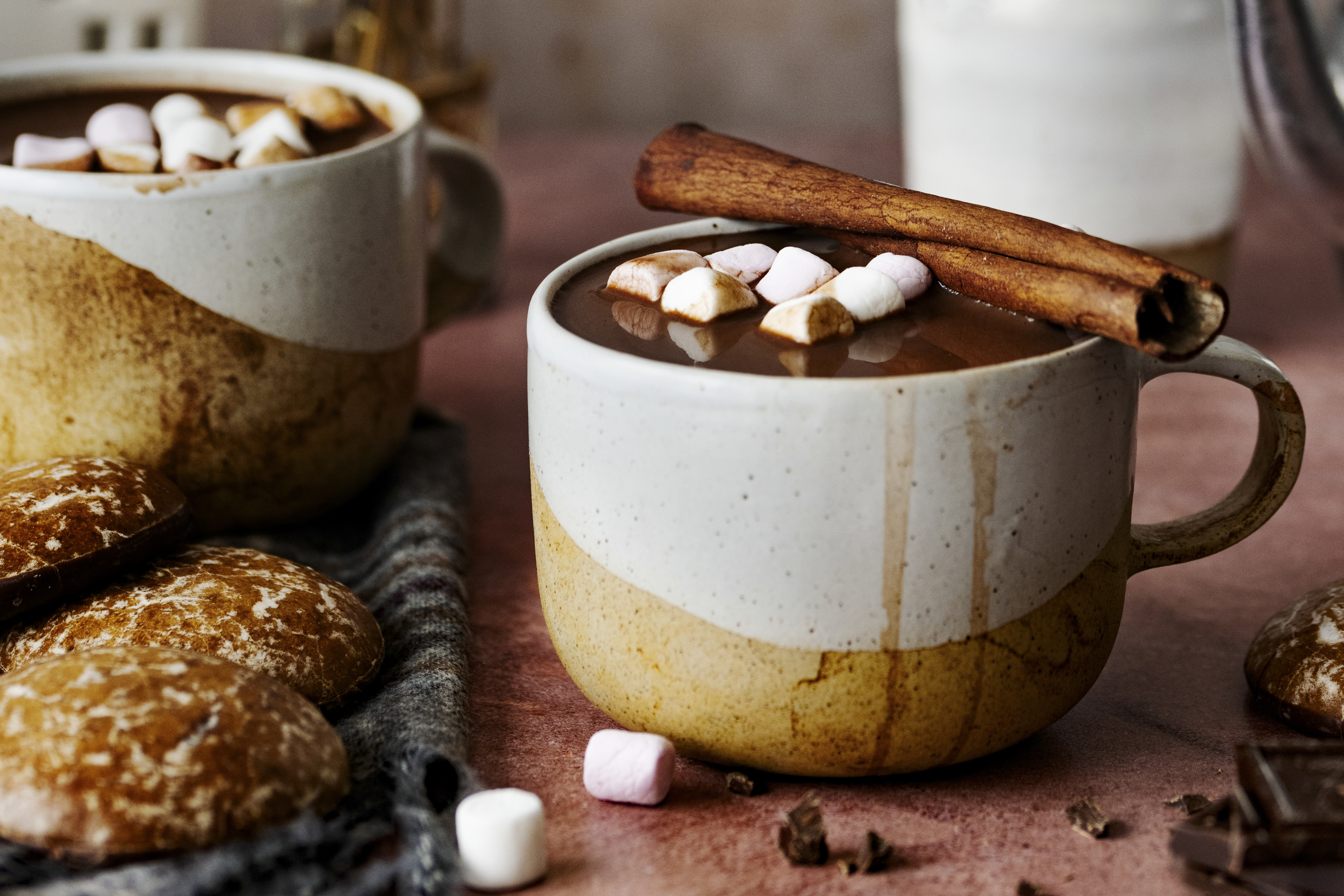
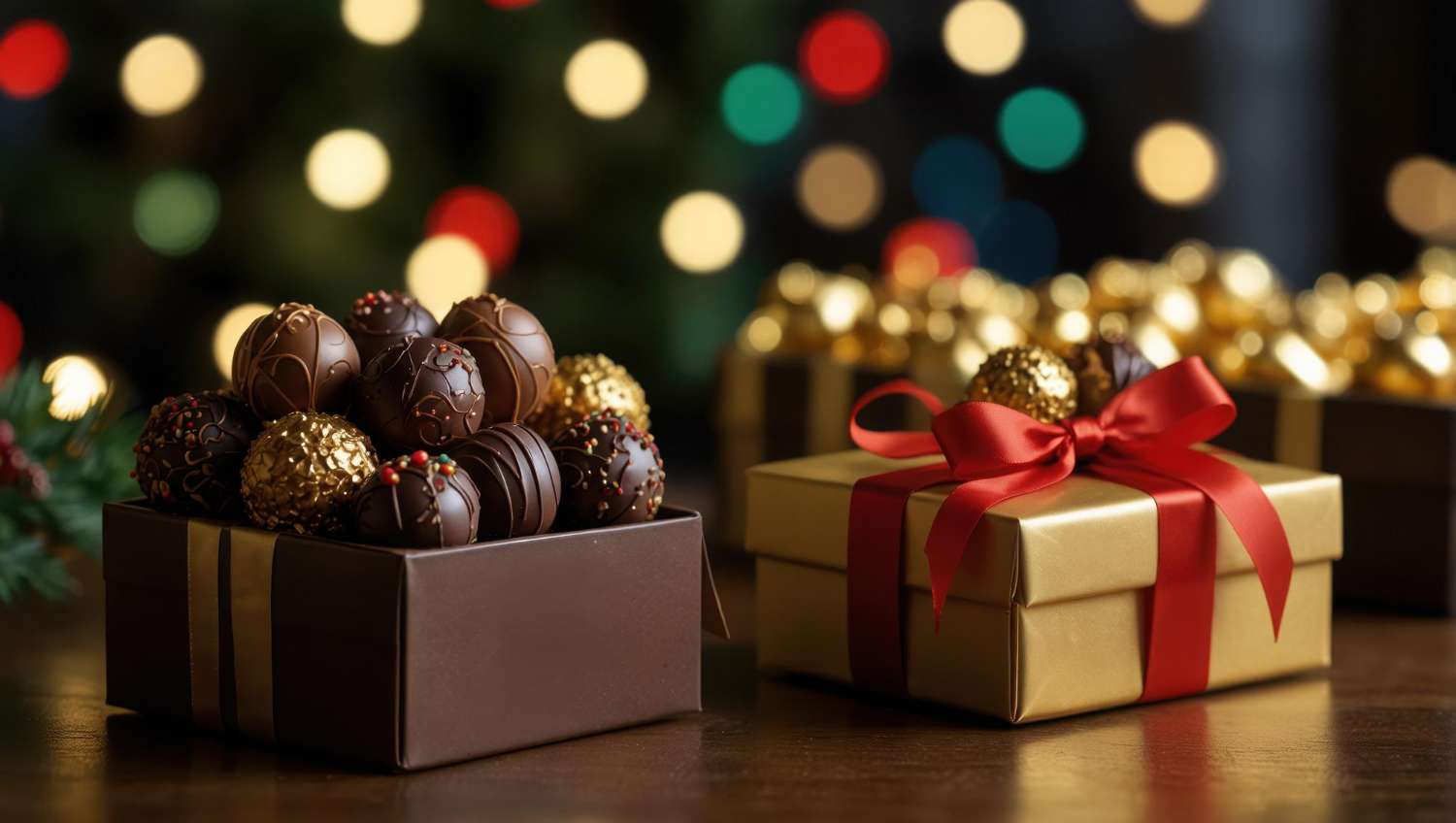
Chocolate has a long-standing association with both the divine and Christmas, stemming from historical and cultural roots. In ancient Mesoamerica, chocolate was considered a sacred drink, offered to gods and used in rituals, while in more modern times, it’s comforting and luxurious qualities have made it a popular treat and gift during the festive Christmas season.
Divine represent chocolates related to theme of Christmas
Chocolate has a long-standing association with both the divine and Christmas, stemming from historical and cultural roots. In ancient Mesoamerica, chocolate was considered a sacred drink, offered to gods and used in rituals, while in more modern times, it’s comforting and luxurious qualities have made it a popular treat and gift during the festive Christmas season.
Chocolate and Christmas
Historical Context
Chocolate’s association with Christmas developed over time, with European nobility adopting it as a symbol of luxury and refinement.
Gift-Giving Tradition
Chocolate logs, inspired by the tradition of burning Yule logs, became a popular Christmas gift, solidifying chocolate’s place in festive celebrations.
Symbol of Sharing
Chocolate is often shared and enjoyed during Christmas gatherings, symbolizing warmth, togetherness, and the spirit of giving.
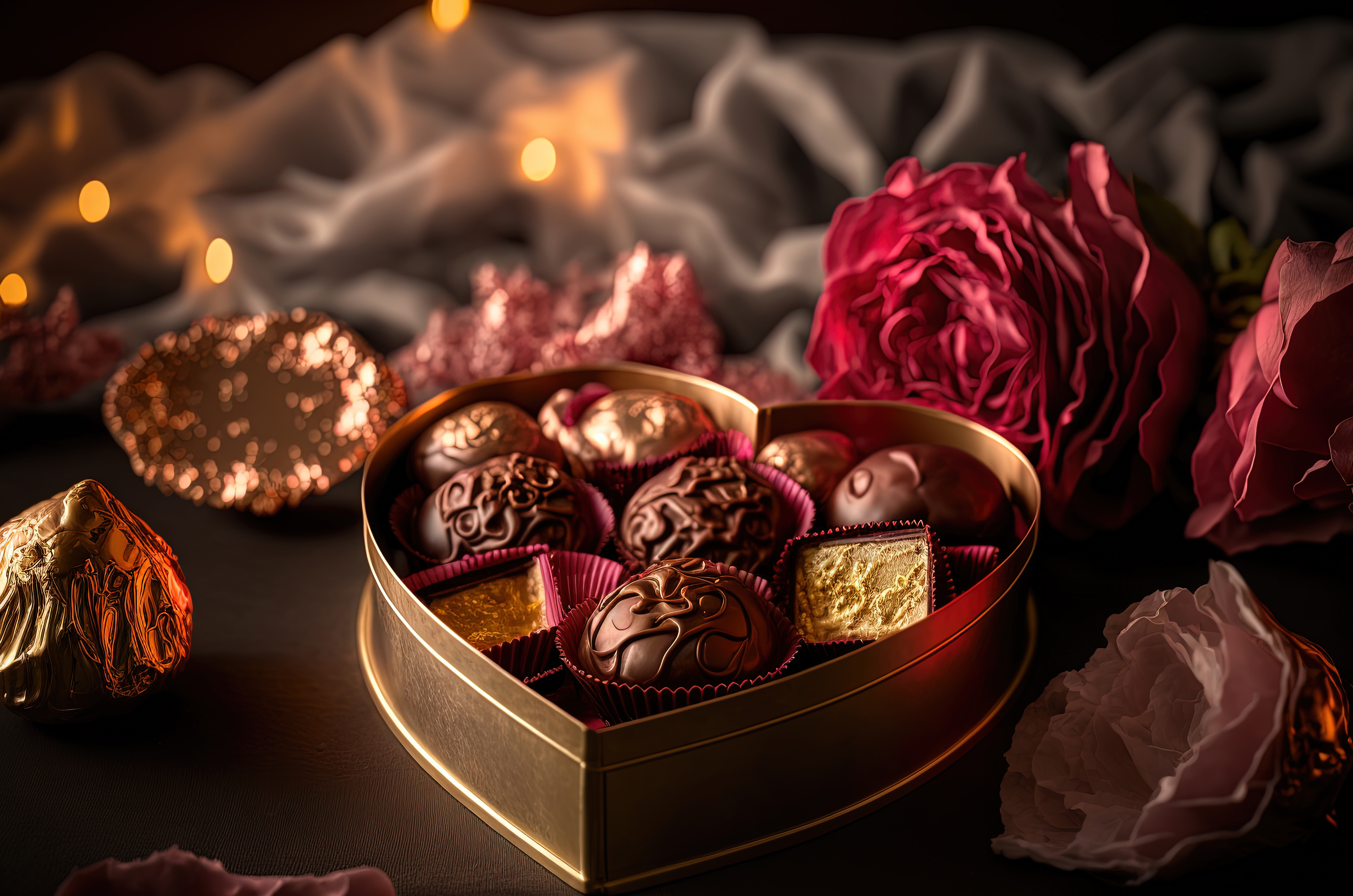
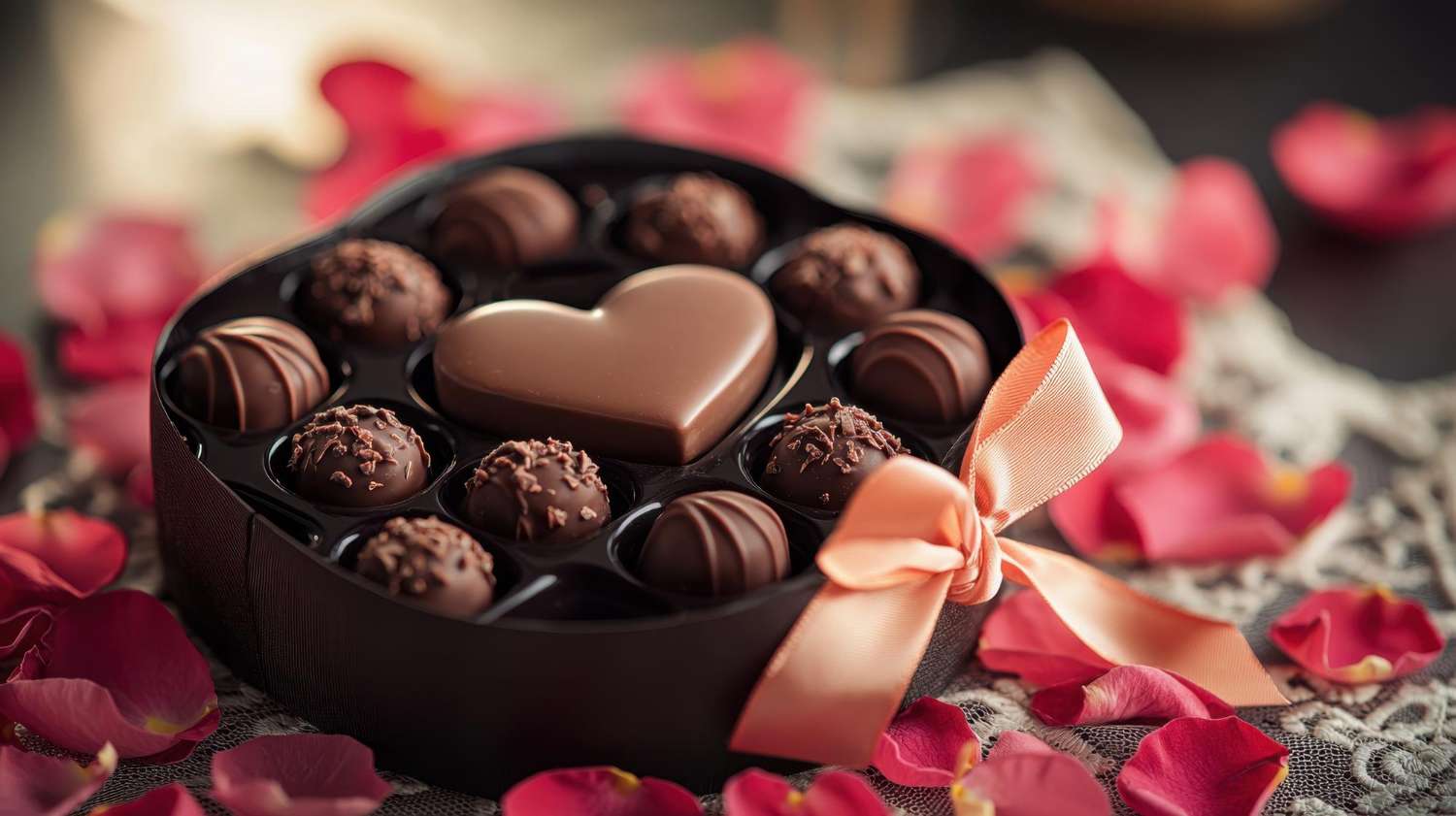
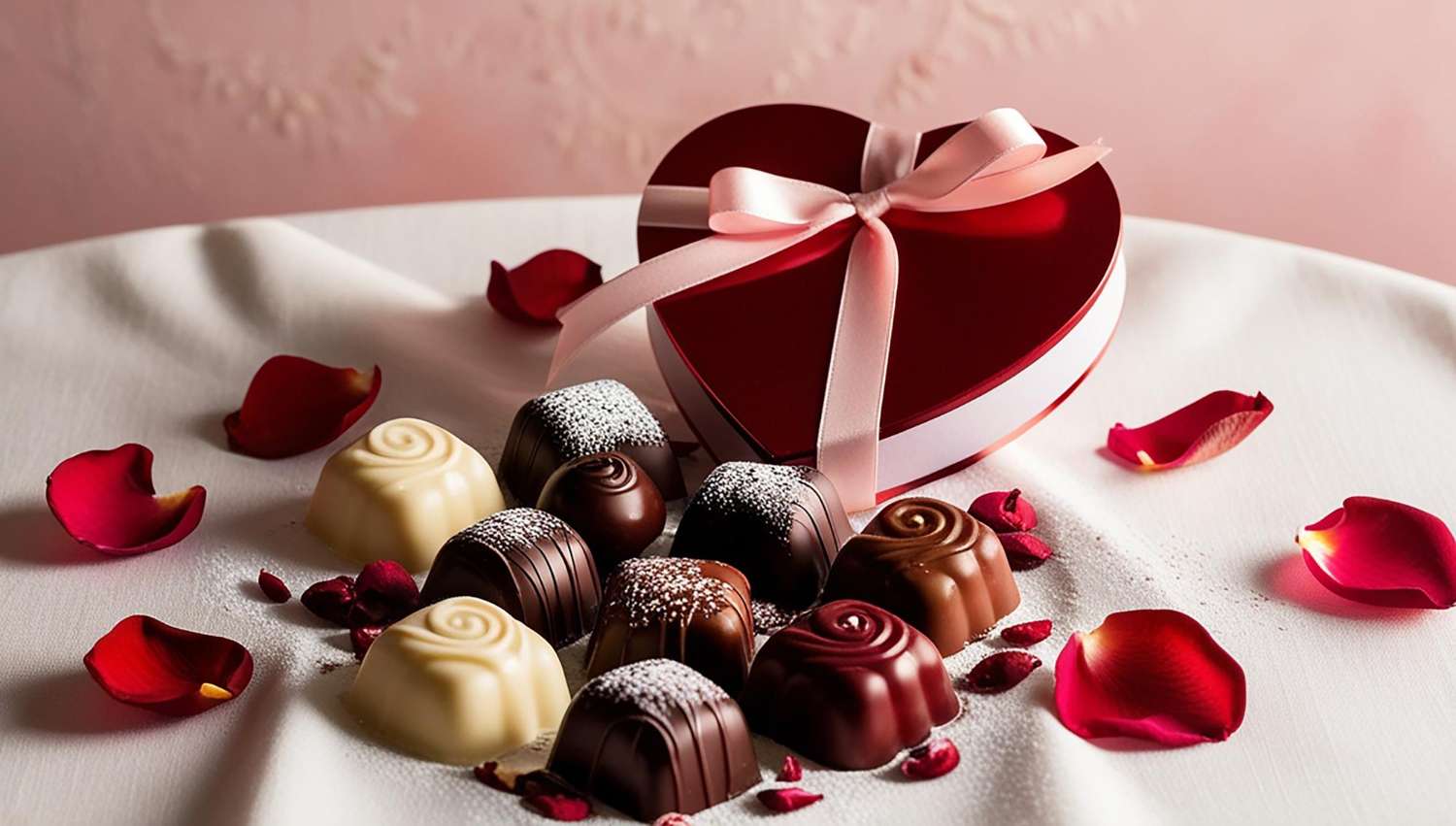
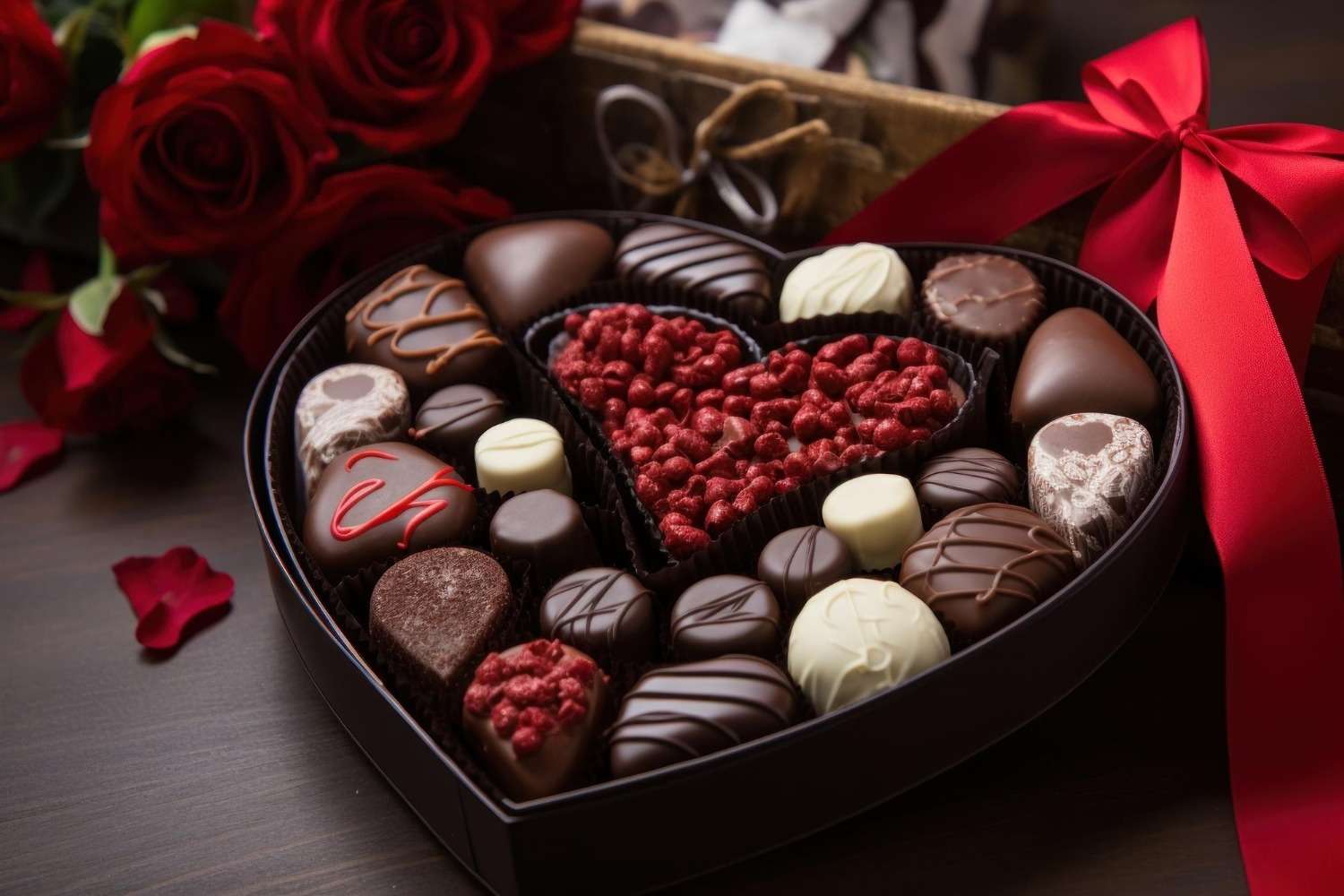
Venus and chocolates connected to the theme of Valentines
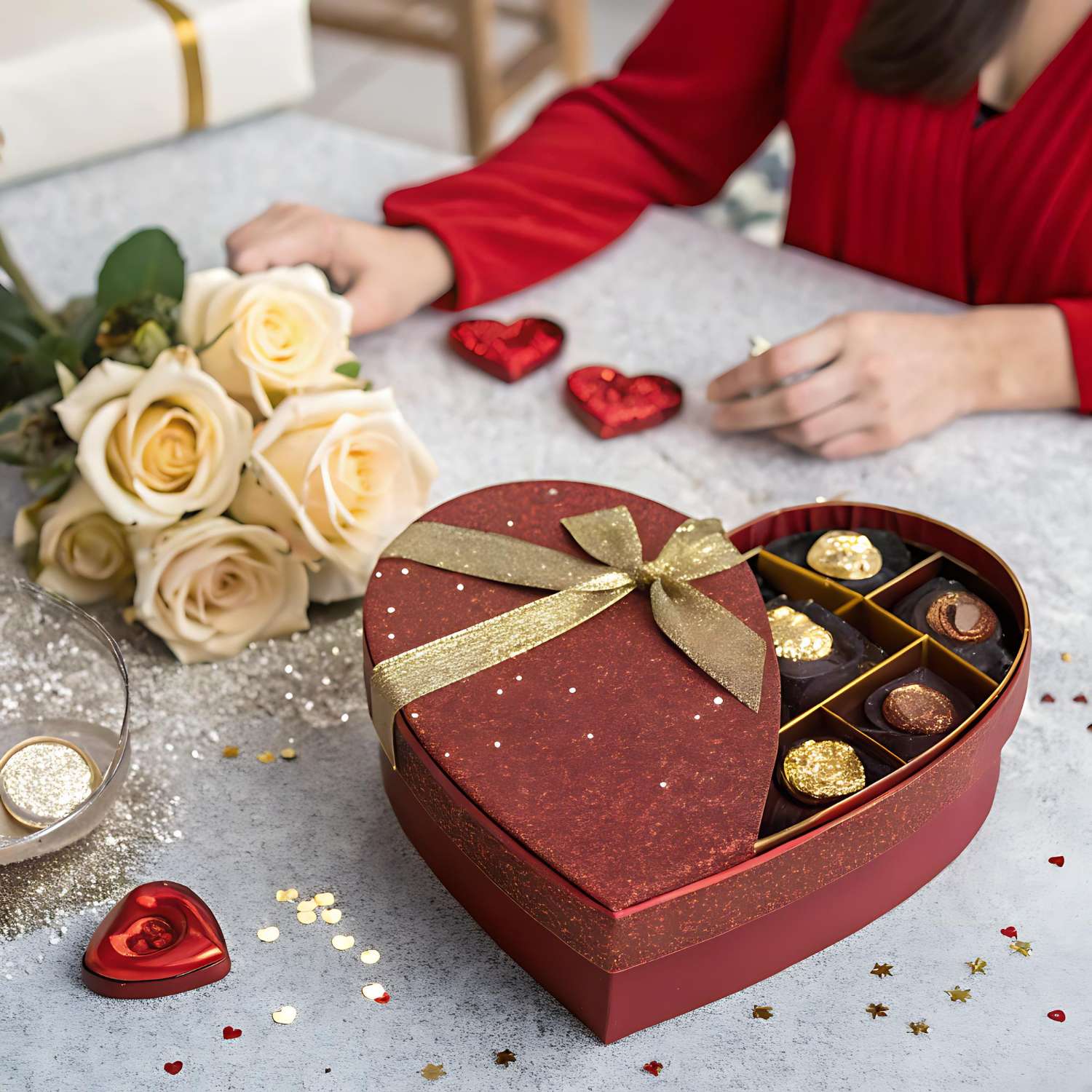
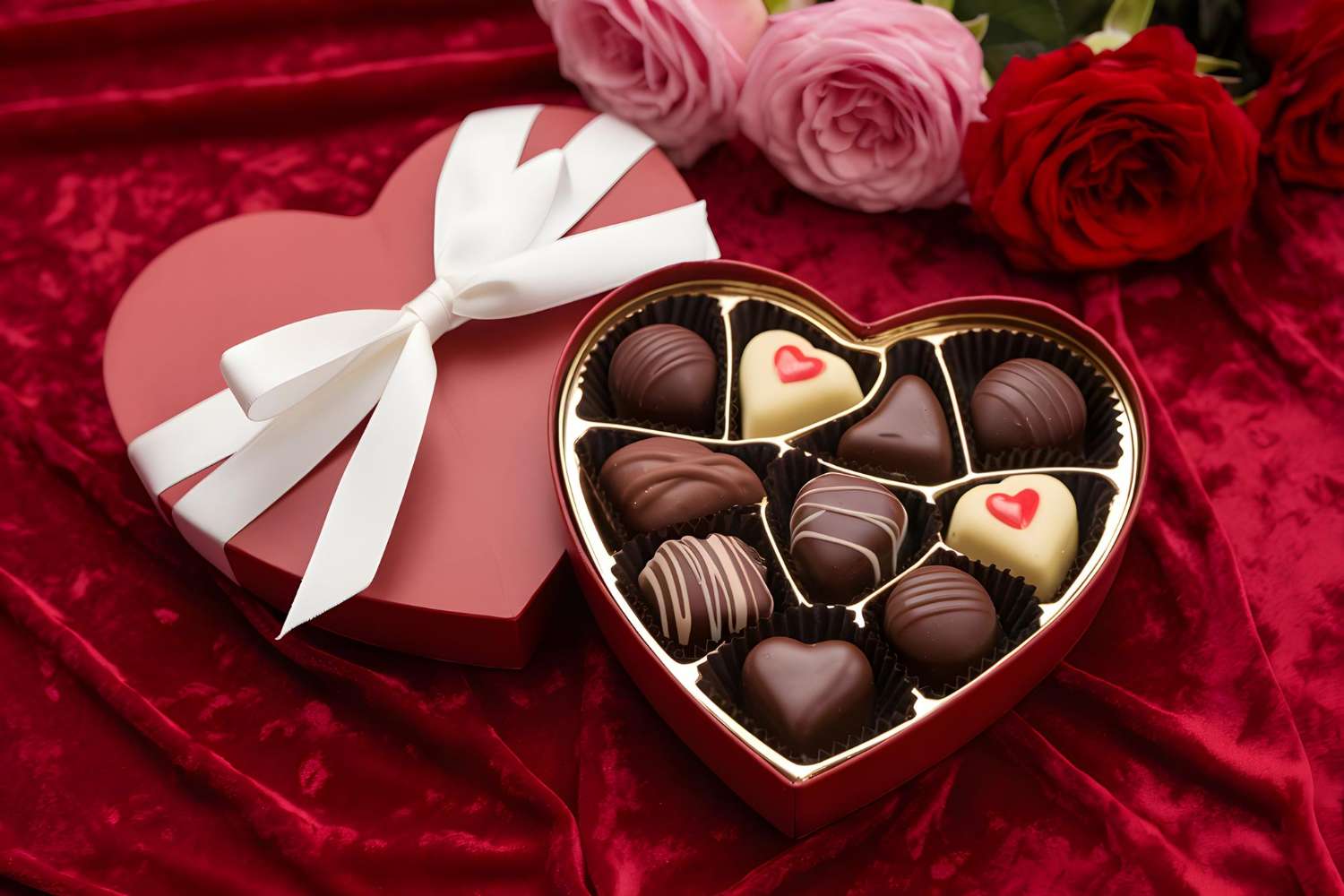
Chocolate’s association with Venus and Valentine’s Day stems from a combination of historical, cultural, and even scientific factors. The connection is rooted in the idea of chocolate as a luxury item with aphrodisiac qualities, further reinforced by marketing and cultural traditions. Venus, the Roman goddess of love, and Cupid, her son, are also symbols of love and romance, and their imagery has been linked to Valentine’s Day and, by extension, chocolate gifts.
Venus and chocolates connected to the theme of Valentines
Chocolate’s association with Venus and Valentine’s Day stems from a combination of historical, cultural, and even scientific factors. The connection is rooted in the idea of chocolate as a luxury item with aphrodisiac qualities, further reinforced by marketing and cultural traditions. Venus, the Roman goddess of love, and Cupid, her son, are also symbols of love and romance, and their imagery has been linked to Valentine’s Day and, by extension, chocolate gifts.
Aphrodisiac Qualities
Historically, chocolate, particularly in the form of the Aztec beverage “xocolatl,” was believed to possess aphrodisiac properties and enhance passion. This belief, coupled with chocolate’s rich taste and texture, contributed to its association with romance.
Luxury and Affection
Chocolate was once a rare and expensive treat, making it a symbol of luxury and indulgence. Giving chocolate on Valentine’s Day became a way to express affection and appreciation, often accompanied by love letters or, later, heart-shaped boxes.
Symbolism
Venus, the goddess of love, and Cupid, her son, are iconic symbols of love and romance, frequently featured in Valentine’s Day imagery. Their association with the holiday naturally led to chocolate, a gift symbolizing love and affection, being linked to them as well.
Aphrodisiac Qualities
Modern science has also contributed to the association by discovering that chocolate contains compounds like phenylethylamine, which can trigger feelings of happiness and excitement, further reinforcing the link between chocolate and positive emotions, including love.
Venus's Brightness
In a cosmic coincidence, Venus, the planet named for the goddess of love, is particularly bright on Valentine’s Day, adding another layer to the celestial connection.
Venus and Valentine's Day
In essence, the association of chocolate with Venus and Valentine’s Day is a complex mix of historical beliefs, marketing strategies, and cultural traditions, all contributing to the enduring image of chocolate as a symbol of love and romance.
Patriarch and chocolates are connected to the theme of Father’s Day.
Father’s Day is a day set aside for honoring one’s father, as well as fatherhood, paternal bonds, and the influence of fathers in society.Chocolate is a popular gift choice for Father’s Day due to its association with love, appreciation for all the hard work and indulgence. It’s a sweet and symbolic way to express affection and create a special moment for parents. The emotional connection to chocolate, linked to feelings of happiness and comfort, makes it a fitting present for these occasions.
Choco-Mom and chocolates are connected to the theme of Mother’s Day.
Mother’s Day is a celebration honoring the mother of the family or individual as well as motherhood, maternal bonds and the influence of mothers in society.Chocolate is a popular gift choice for Mother’s Day due to its association with love, appreciation for all the hard work and indulgence. It’s a sweet and symbolic way to express affection and create a special moment for parents. The emotional connection to chocolate, linked to feelings of happiness and comfort, makes it a fitting present for these occasions.
Choco-Mom and chocolates are connected to the theme of Mother’s Day.
Mother’s Day is a celebration honoring the mother of the family or individual as well as motherhood, maternal bonds and the influence of mothers in society.Chocolate is a popular gift choice for Mother’s Day due to its association with love, appreciation for all the hard work and indulgence. It’s a sweet and symbolic way to express affection and create a special moment for parents. The emotional connection to chocolate, linked to feelings of happiness and comfort, makes it a fitting present for these occasions.
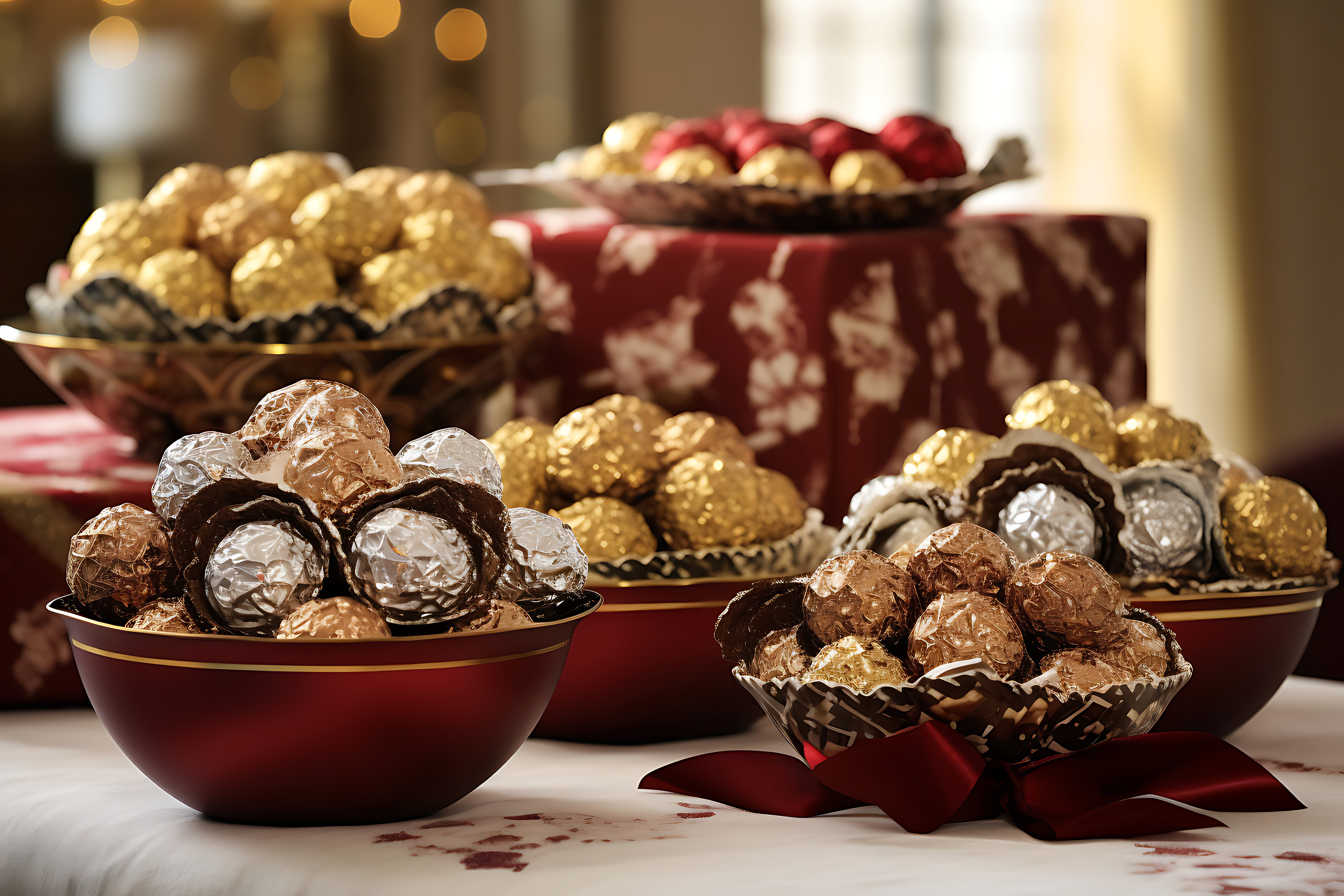
New Year’s celebrations and chocolate isn’t traditionally a central part of each other in the same way it is for Valentine’s Day or Christmas. However, chocolate is often included in New Year’s festivities as a popular treat or gift, especially in the form of chocolate boxes or hampers. Its association with New Year’s is more of a general celebration of sweets and indulgence rather than a specific symbolic connection.
General Holiday Treat
Chocolate is a popular gift and treat for many holidays, and New Year’s is no exception.
Celebratory Indulgence
People often indulge in treats like chocolate during celebrations, and New Year’s Eve is a time for enjoying special foods and drinks.
Gifting
Chocolate is a common and easy-to-find gift item, making it a convenient option for New Year’s gifting.
Lunar New Year
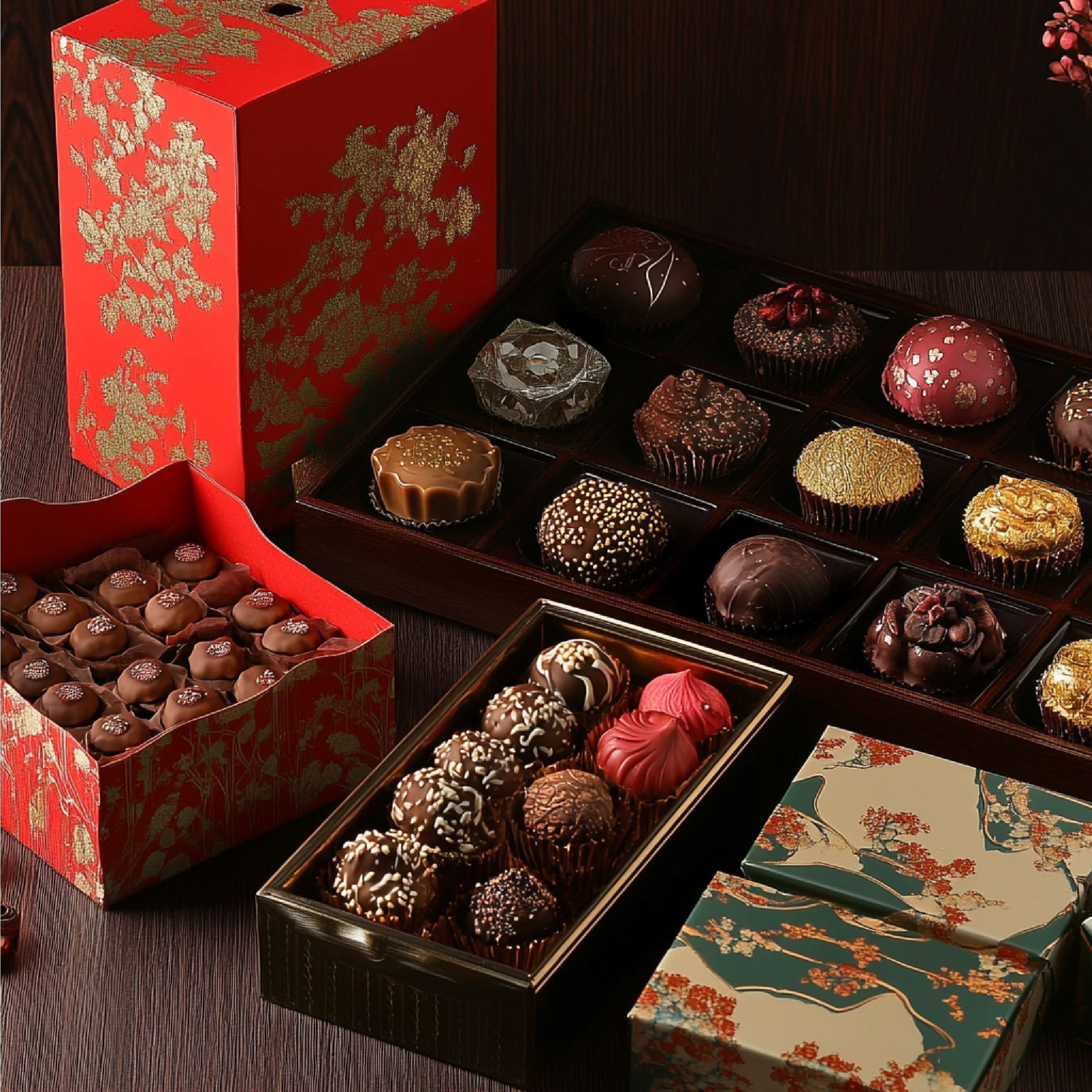
In some cultures, like the Chinese Lunar New Year, chocolate is a popular gift to bring to loved ones.
New Year's Eve Parties
Chocolate can be part of party spreads and desserts, contributing to the festive atmosphere.